-
info@esteaura.com Terrace Fulya, İstanbul
-
+90 530 442 60 99


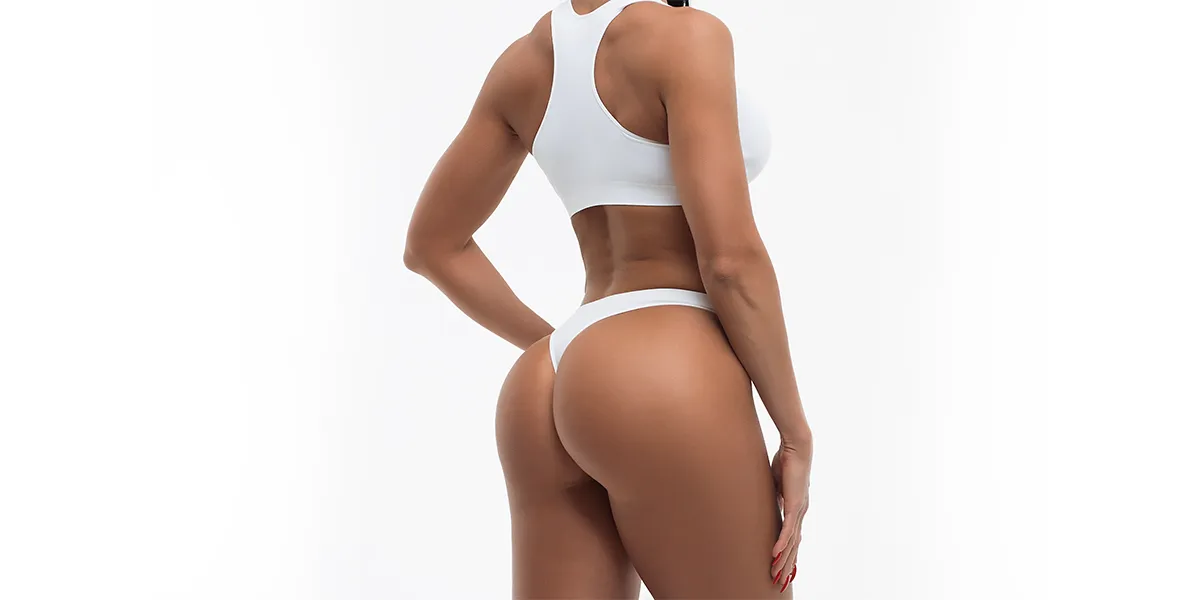
BBL (Brazilian Butt Lift) is a popular aesthetic procedure in which fat taken from the body is injected into the buttocks using special techniques. This procedure provides a natural curve and a fuller buttock contour while also creating a slimming effect on the waist and abdominal area. However, the postoperative care process is just as important as the surgery itself for achieving successful results. Without a careful aftercare protocol, the survival rate of fat cells may decrease, leading to complications such as asymmetry or volume loss.
The first 48 hours following BBL surgery are the most critical phase of healing. During this period, fat grafts begin to integrate with new tissues. The most important rule is to avoid applying direct pressure to the buttocks. Patients are advised to rest in a prone (face-down) or side-lying position. Antibiotics and painkillers prescribed by the surgeon should be used regularly, and body temperature and incision sites should be monitored frequently.
Mild soreness, swelling, and bruising within the first 24 hours are normal. However, excessive pain, fever, or foul-smelling discharge requires immediate medical attention. Smoking and alcohol consumption are strictly prohibited during this period, as both can impair blood circulation and reduce fat cell survival. The primary goals of the first 48 hours are comfortable rest, hygiene, and maintaining proper circulation.
One of the most common mistakes after BBL is sitting directly on the buttocks too soon. Applying pressure to the injection area can cause fat cells to die, reducing the longevity of the results. Therefore, sitting should be avoided for the first 2–3 weeks. When sitting is necessary, a special “BBL pillow” should be used to transfer the body’s weight to the thighs, preventing pressure on the buttocks.
Sleeping position is also crucial during recovery. The best sleeping positions for the first 3–4 weeks are face-down or on the side. Placing a pillow between the knees helps distribute pressure evenly and keeps the grafts stable. Keeping the head in a neutral position prevents neck strain when lying face-down. Lying on the back should be completely avoided, as it places direct pressure on the buttocks.
BBL is often combined with liposuction. To prevent fluid accumulation in the liposuction areas, a drain may be used and is typically removed within 2–3 days. Keeping the drain area dry and changing dressings in a sterile environment minimizes infection risks. Showering is usually allowed after the third day, but warm water should be used instead of hot water.
For hygiene, soaps or cosmetic products should not come into contact with the surgical area. Cleaning should be done with antiseptic solutions recommended by the doctor. Clothing should be loose, cotton-based, and breathable. Sweat, moisture, and friction can negatively affect graft retention, so synthetic fabrics should be avoided.
Wearing a compression garment is one of the most essential elements of post-BBL care. It helps the skin adhere properly to the muscle tissue in liposuctioned areas. However, compression should not be applied to the buttocks. Therefore, special BBL garments with open buttock areas are preferred. At Esteaura, each patient’s compression garment is custom-fitted to their body measurements.
The garment should be worn 24 hours a day for the first three weeks and only removed for showering. After the fourth week, the duration can be gradually reduced. Choosing the correct size is vital, as overly tight garments can restrict blood flow. If pressure marks or skin discoloration appear, the garment should be replaced immediately.
Swelling (edema) and bruising are normal healing responses after BBL and typically subside within 2–3 weeks. Pain medication prescribed by the doctor should be taken as directed, and excessive salt intake should be avoided, as high sodium levels can increase swelling. Drinking 2–2.5 liters of water daily helps flush out toxins and supports circulation.
Cold compresses can be used to reduce swelling but should never be applied directly to the buttocks. They can be applied briefly and intermittently to the liposuction areas only. Light walking promotes blood circulation and aids healing. Natural remedies such as arnica gel can also help bruises fade more quickly.
Nutrition plays a key role in post-BBL recovery. To help fat cells survive, patients must consume sufficient calories and protein. The daily protein requirement is typically calculated as 1.5 grams per kilogram of body weight. Chicken, fish, eggs, and legumes are excellent protein sources that support healing. Fruits and vegetables rich in vitamin C enhance collagen production and improve skin elasticity.
Drinking plenty of water speeds up circulation and reduces swelling. Alcohol, caffeine, and carbonated beverages should be avoided as they can disrupt fluid balance. Zinc and omega-3 supplements may help accelerate wound healing, but they should only be taken under medical supervision. A low-carb, balanced, and fiber-rich diet is recommended throughout recovery.
The first week after BBL should be dedicated entirely to rest. From the second week onward, short and light walks can be introduced to promote circulation and prevent blood clots. However, strenuous activities such as running, squats, cycling, and heavy workouts should be avoided for at least six weeks. Once graft stability is confirmed, exercise can gradually resume under medical supervision.
Even in daily household activities, caution is essential. Bending, squatting, or standing for long periods can create unwanted pressure on the buttocks. Returning to work usually takes 10–14 days, though for office jobs involving sitting, this period may be extended. During this time, a BBL pillow remains indispensable.
Lymphatic drainage massage after BBL helps reduce swelling and smooth out the skin surface. However, it should only be performed by trained professionals and with medical approval. This type of massage typically starts 10–14 days after surgery. Gentle circular motions applied to liposuctioned areas improve circulation and aid toxin elimination.
Skin-tightening creams, hyaluronic acid serums, and mild vibration devices can support recovery, but direct massage to the grafted area should be avoided. Applying pressure to the buttocks can damage fat cells. Maintaining skin elasticity through proper hydration, sufficient sleep, and sun protection also contributes to better results.
Although rare, complications can occur after BBL surgery, such as infection, fat embolism, asymmetry, or graft resorption. Early detection prevents these issues from becoming permanent. Patients should immediately contact their doctor if they experience a fever over 38°C, foul-smelling discharge, increasing pain, or excessive bruising. Sudden discoloration or numbness in the buttocks may indicate circulation problems.
Fat embolism, while very rare, is the most serious potential complication. Shortness of breath, chest pain, or dizziness may indicate this condition and require emergency medical attention. Esteaura’s experienced surgical team takes meticulous precautions to minimize these risks before and after surgery.
The longevity of BBL results depends largely on the patient’s lifestyle. The first 3–6 months are when fat cells stabilize and become permanent. Weight fluctuations should be avoided during this period, as they can affect the size and distribution of fat cells. Regular exercise, a balanced diet, and adequate hydration help maintain the desired shape in the long run.
Light exercises that strengthen the gluteal muscles (such as Pilates, swimming, or yoga) promote a more sculpted appearance. Avoiding smoking and alcohol preserves blood circulation and prolongs results. Esteaura aims to provide not just aesthetic improvement but also a sustainable approach to beauty. Attending follow-up appointments ensures that the healing process is monitored and the final results remain optimal.
BBL (Brazilian Butt Lift) is a popular cosmetic procedure in which fat removed from the body is injected into the buttocks using specialized techniques. This operation enhances natural curves and creates a fuller, more balanced silhouette while simultaneously slimming the waist and abdomen. However, aftercare is just as crucial as the procedure itself for achieving lasting, natural results. Without proper post-operative care, the survival rate of transferred fat cells may decrease, leading to volume loss or asymmetry. Below is a comprehensive guide on how to care for yourself after BBL surgery to ensure safe recovery and beautiful, long-term results.
The first 48 hours are the most critical phase of BBL recovery. During this period, fat grafts begin to integrate with the surrounding tissues. The golden rule is to avoid putting any pressure on your buttocks. Patients should rest lying on their stomach or side. Take prescribed antibiotics and pain relievers exactly as directed, and monitor your temperature and incision sites regularly.
Mild swelling, soreness, and bruising are normal in the first 24 hours. However, if you experience excessive pain, fever, or foul-smelling discharge, contact your surgeon immediately. Avoid smoking and alcohol completely—both can impair blood circulation and reduce fat cell survival. The main goals during this phase are rest, hygiene, and maintaining healthy blood flow.
One of the most common mistakes after BBL is sitting too early. Direct pressure on the buttocks can damage fat cells and compromise your results. Therefore, sitting is prohibited for the first 2–3 weeks. If you must sit, use a special BBL pillow that shifts weight to your thighs rather than your buttocks.
When sleeping, the ideal position is on your stomach or side for at least 3–4 weeks. Placing a pillow between your knees when side sleeping helps distribute pressure evenly. Avoid lying on your back entirely during the early recovery stage to prevent damage to the newly grafted fat cells.
BBL surgery often includes liposuction, which may require surgical drains to remove excess fluid. These drains are typically removed within 2–3 days. Keep the area around the drains clean and dry, and replace dressings in a sterile environment. You can usually shower on the third day after surgery using lukewarm water instead of hot water.
Do not apply soap or skincare products directly to the surgical sites. Instead, clean with antiseptic solutions recommended by your doctor. Wear loose, breathable cotton clothing. Avoid synthetic fabrics, as they can trap heat and moisture, which increases the risk of irritation or infection.
Compression garments are vital for post-BBL recovery. They help shape the body and ensure the skin adheres properly to underlying tissues in areas where fat was removed. However, since the buttocks must not be compressed, special garments with open buttock areas are required. At Esteaura, patients receive custom-fitted compression garments designed specifically for their body measurements.
The garment should be worn 24 hours a day for the first three weeks and only removed for showering. Afterward, wear time can gradually be reduced. Avoid garments that are too tight, as they can restrict blood flow. If you notice pressure marks or skin discoloration, consult your surgeon for adjustments.
Swelling and bruising are natural parts of the healing process and typically subside within 2–3 weeks. Take your prescribed medications as directed, and reduce salt intake to prevent fluid retention. Drink at least 2–2.5 liters of water daily to support detoxification and circulation.
Cold compresses can help minimize swelling but should not be applied directly to the buttocks. Apply them gently to liposuctioned areas for short intervals. Light walking after a few days helps stimulate blood flow. Natural remedies like arnica gel can also help reduce bruising faster.
Your diet directly affects how well your body heals after BBL. For fat cells to survive, you must consume enough protein and calories. Aim for about 1.5 grams of protein per kilogram of body weight daily. Protein-rich foods like chicken, fish, eggs, and legumes support tissue repair. Vitamin C–rich fruits and vegetables boost collagen production, improving skin elasticity.
Stay hydrated and avoid alcohol, caffeine, and carbonated drinks, as they can dehydrate the body. Zinc and omega-3 supplements can help speed up wound healing but should only be taken with your doctor’s approval. A balanced, nutrient-dense diet with limited processed foods will aid recovery.
Rest is essential for the first week. From the second week onward, light walking can be introduced to support circulation and prevent blood clots. Strenuous activities such as running, squatting, and heavy lifting should be avoided for at least six weeks. Once your surgeon approves, you can gradually return to more intense exercise routines.
Be mindful during daily activities. Avoid bending, squatting, or standing for long periods. If your job requires sitting, continue to use your BBL pillow. Most patients can return to work after 10–14 days, depending on their healing progress.
Lymphatic drainage massage helps reduce swelling and improve skin smoothness after BBL. It should only be performed by licensed professionals and with your doctor’s approval, usually starting 10–14 days post-surgery. Gentle circular motions on the treated areas promote lymphatic flow and help the body eliminate toxins.
Skin-tightening creams and hyaluronic acid serums may help improve skin texture, but direct massage on the grafted area should be avoided. Staying hydrated, getting enough sleep, and protecting your skin from the sun also contribute to smoother recovery and longer-lasting results.
Although rare, complications such as infection, fat embolism, or asymmetry can occur. Early detection is key to preventing permanent issues. Contact your doctor immediately if you notice high fever, unusual pain, bad odor, or significant color changes in your buttocks. Sudden shortness of breath or chest pain may indicate a fat embolism, a rare but serious condition that requires emergency medical care.
At Esteaura, the surgical team follows strict safety protocols before, during, and after surgery to minimize risks and ensure patient well-being throughout the healing process.
The longevity of your BBL results depends largely on maintaining a healthy lifestyle. During the first 3–6 months, fat cells stabilize and become permanent. Avoid major weight fluctuations, as gaining or losing too much weight can alter your results. Regular exercise, hydration, and a balanced diet help keep your shape defined and natural-looking.
Gentle glute-strengthening exercises such as Pilates, swimming, or yoga can help tone and enhance the results. Avoid smoking and alcohol to preserve circulation and maintain long-lasting outcomes. Esteaura encourages patients to embrace a sustainable approach to beauty and attend regular follow-up appointments for the best results.