-
info@esteaura.com Terrace Fulya, İstanbul
-
+90 530 442 60 99


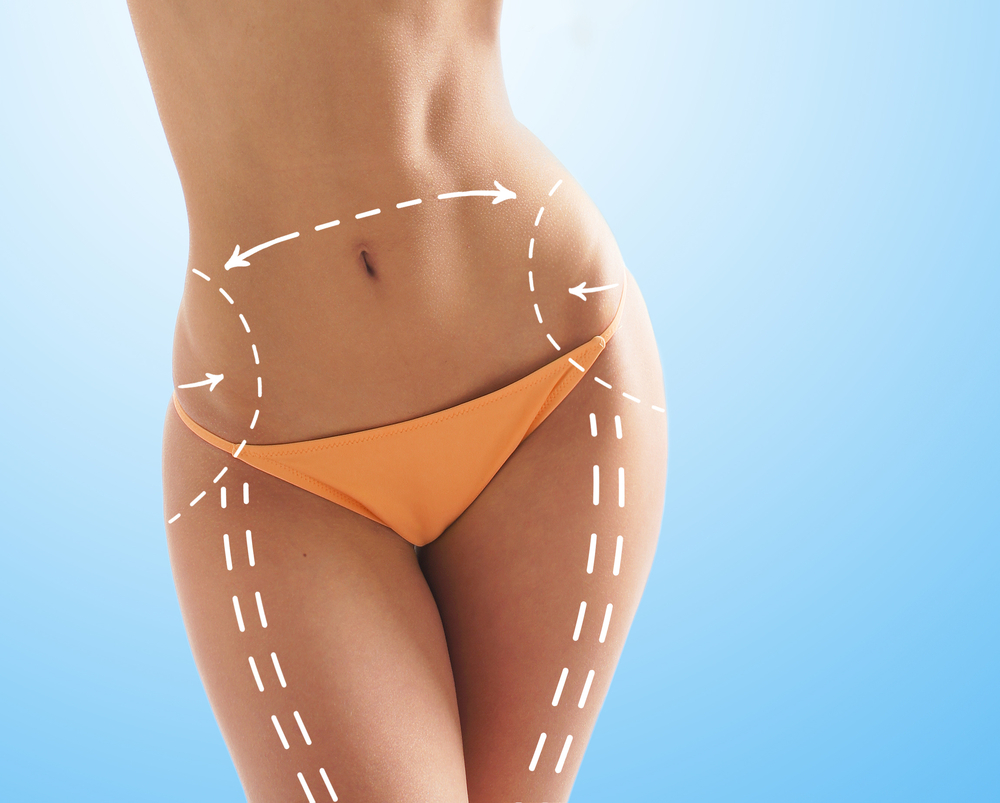
If diet and exercise have not shifted a stubborn fat pocket, two options usually come up: surgical liposuction and non-surgical fat freezing, also called cryolipolysis. Both reduce fat cells in a targeted area, but they work very differently. This comparison helps you understand which approach fits your goal.
Liposuction removes fat through small incisions with a thin cannula, usually under general or sedation anaesthesia. The surgeon can treat several areas in one operation and shape the contour precisely.
Cryolipolysis cools the fat layer through the skin with an applicator. The cooled fat cells break down and are cleared by the body over the following weeks. There are no incisions and no anaesthesia.
| Liposuction | Fat freezing | |
|---|---|---|
| Type | surgical procedure | non-surgical treatment |
| Amount of fat | small to large areas, several zones at once | small, pinchable fat pockets |
| Sessions | usually one operation | often several sessions per area |
| Downtime | about one week off desk work, garment for several weeks | usually none; temporary redness, numbness or tenderness |
| When results show | gradually over 3–6 months as swelling settles | gradually over about 1–3 months |
| Precision | high; contour can be sculpted | limited to the applicator area |
Liposuction carries the general risks of surgery, such as bleeding, infection, contour irregularities and blood clots, which is why it should be done by a plastic surgeon in a hospital. Fat freezing is less invasive, but rare side effects exist, including an uncommon enlargement of the treated fat area instead of reduction.
Our liposuction page explains the surgical procedure in detail, and our liposuction guide covers stay length and check-ups for patients travelling from abroad.
No. Fat freezing gives a more modest reduction in a small area and often needs several sessions, while liposuction removes more fat in one operation and allows precise shaping.
Removed or destroyed fat cells do not return, but remaining fat cells can grow with weight gain.
Small lower-belly pockets may respond to fat freezing; larger amounts or loose skin usually need liposuction or a tummy tuck.
Some people use fat freezing for a small touch-up later, but the plan should come from your doctor after an examination.
This article is general information; your personal plan is set by your surgeon after an examination. Questions? Contact us for an online pre-consultation.