-
info@esteaura.com Terrace Fulya, İstanbul
-
+90 530 442 60 99


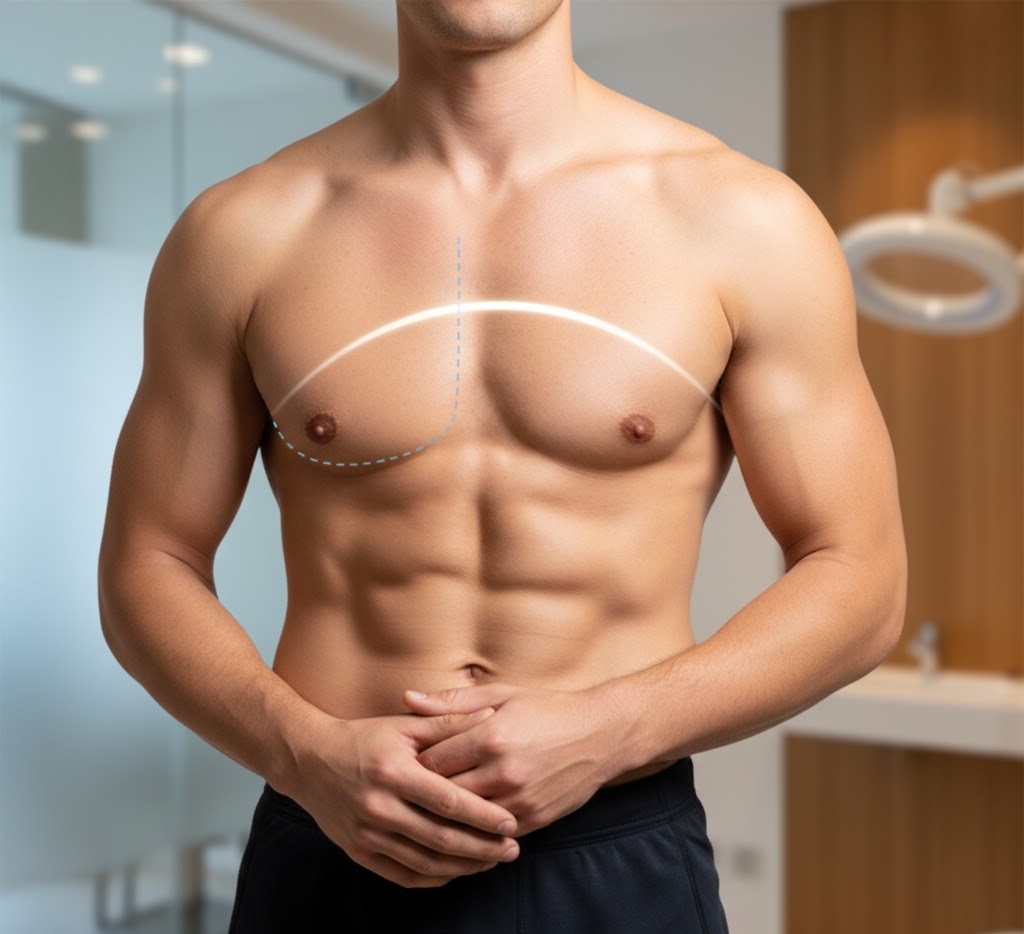
Male chest aesthetics, especially for individuals suffering from gynecomastia, offers an important solution both aesthetically and psychologically. Gynecomastia is a condition characterized by the abnormal enlargement of breast tissue in men and is usually caused by hormonal imbalances, genetic factors, or lifestyle-related reasons. Esteaura combines modern surgical techniques with personalized treatment planning to achieve a natural and proportionate chest appearance for men.
Gynecomastia refers to the excessive enlargement of breast tissue in men. It generally results from hormonal imbalances, particularly when the ratio between estrogen (the female hormone) and testosterone (the male hormone) is disrupted. It can appear at any age—during adolescence, middle age, or later in life. While sometimes temporary, in certain cases, it becomes permanent.
Although it is not physically harmful, gynecomastia can cause self-esteem issues, body image problems, and social anxiety in men. Therefore, it is often treated as an aesthetic concern. Esteaura provides a permanent and natural solution for men who experience this condition.
Gynecomastia can occur for various reasons, with hormonal imbalance being the most common. During puberty, when testosterone levels remain relatively low, estrogen’s effects can increase, leading to breast tissue enlargement. Additionally, certain medications, obesity, and genetic factors may also contribute to the development of gynecomastia.
Gynecomastia is not a single-type condition; it appears in three main forms. Identifying the correct type is crucial, as it directly affects the treatment approach.
At Esteaura, surgical planning is tailored to the patient’s gynecomastia type, ensuring minimal scarring and natural results.
Gynecomastia surgery is suitable for men who are dissatisfied with their chest appearance, experience fullness in the chest area, and feel that this affects their social life. However, certain criteria should be met before surgery:
At Esteaura, every patient undergoes a detailed preoperative evaluation and comprehensive health screening to ensure maximum safety during the surgical process.
The diagnosis of gynecomastia is established through physical examination and imaging tests. The surgeon first determines whether the breast enlargement results from fatty tissue or glandular tissue. When necessary, ultrasound or mammography provides a more detailed evaluation.
Hormone testing is also an essential part of the diagnostic process. Testosterone, estrogen, and prolactin levels are measured. If an underlying hormonal or medical cause is detected, it is treated first. Esteaura creates a precise and effective treatment plan based on a personalized diagnostic approach.
Gynecomastia surgery involves the surgical removal of the enlarged breast tissue. The operation is performed under local or general anesthesia and lasts about 1–2 hours. The choice of technique depends on the type of gynecomastia.
In mild cases, liposuction alone is sufficient, whereas in glandular-type gynecomastia, the glandular tissue must be surgically removed. The incisions are usually made around the areola, making scars barely visible. Esteaura uses advanced surgical methods to achieve minimal scarring and maximum aesthetic results.
Liposuction is one of the most frequently used methods in gynecomastia treatment. Small incisions are made in the chest area, and excess fat is removed using special cannulas. The main advantages of this method are minimal scarring and a quick recovery period.
Liposuction is particularly effective for fatty-type gynecomastia. Esteaura uses laser-assisted liposuction systems that not only remove fat cells but also tighten the skin. This provides a flatter, firmer, and more natural-looking male chest.
The recovery period after gynecomastia surgery is generally comfortable. Most patients can be discharged on the same day. Mild pain, swelling, and bruising are normal during the first 48 hours. These symptoms can be easily managed with painkillers prescribed by the doctor.
Wearing a compression garment is extremely important during recovery. It helps tighten tissues and reduce swelling. It is recommended to wear the garment regularly for the first three weeks. Heavy physical activity should be avoided for 4–6 weeks. Esteaura provides close postoperative follow-up to ensure a smooth and safe recovery process.
Modern gynecomastia surgeries result in minimal scarring. Since incisions are made around the edge of the areola, they blend with the natural skin tone over time. Special suturing techniques used at Esteaura reduce scar visibility by up to 90%.
Compression garments are essential after surgery, as they help the body maintain its new shape. They should be worn for about 3–4 weeks. Light walking can begin early to promote healing, while heavy exercise should be postponed until about one month post-surgery with doctor approval.
As of 2025, gynecomastia surgery prices vary depending on the scope of the procedure, techniques used, and the patient’s individual needs. The average price range is between 60,000 TL and 100,000 TL. If both liposuction and surgical excision are combined, the total cost may be higher.
Esteaura follows a transparent pricing policy. The cost typically includes the surgery, anesthesia, compression garments, follow-up appointments, and postoperative care. The clinic’s priority is not only achieving an aesthetic result but also ensuring a safe and comfortable recovery. With its team of surgeons specialized in male chest aesthetics, Esteaura is a trusted choice for those seeking natural and lasting results.