-
info@esteaura.com Terrace Fulya, İstanbul
-
+90 530 442 60 99


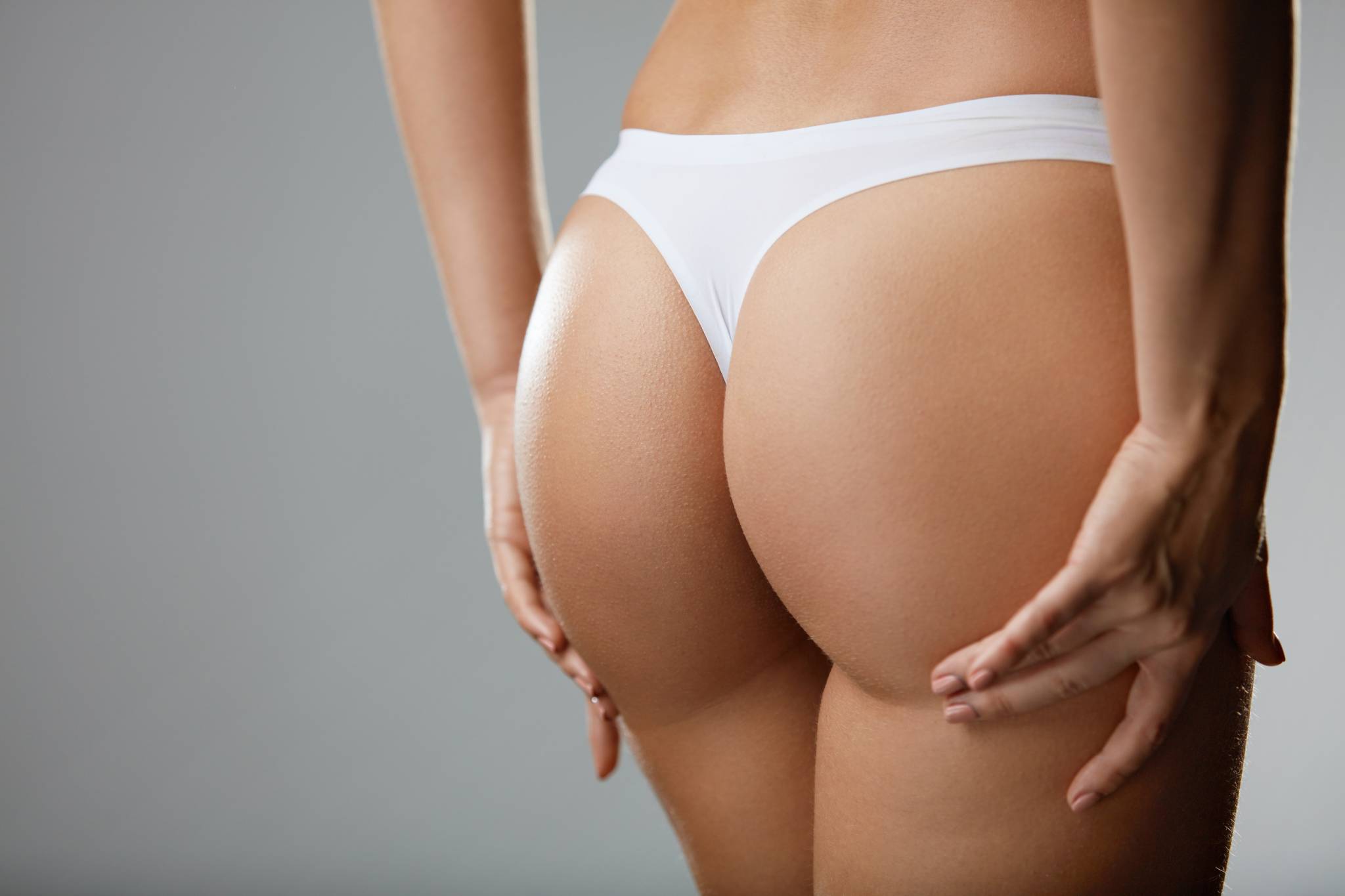
Buttock contouring with fat transfer is a modern body shaping method that aims for a natural-looking and well-balanced silhouette by harvesting fat from areas of the body with excess fat, purifying it with special techniques, and injecting it into the buttock region. Because your own tissue is used, it offers a more biocompatible option compared to fillers; while improving the waist–hip ratio, it also provides slimming in areas such as the waist, abdomen, back or hips within the same session. At Esteaura, the process is managed end-to-end through candidate evaluation, 3D proportion analysis, safe fat harvesting–placement protocols, and a personalized recovery plan.
The main goal of this procedure is to increase the projection of the buttocks (outward fullness), upper pole volume and lateral curves (side lines) in proportion to the rest of the body. The procedure consists of two main steps: (1) harvesting fat with liposuction and purifying it in a closed system; (2) placing the fat in thin layers using microcannulas into different anatomical planes (subcutaneous, supra-fascial and, when necessary, over the muscle fascia). The fine layer–multi-tunnel technique facilitates vascularization of the grafts and increases the fat retention rate.
For a natural result, adding volume alone is not enough; it is also necessary to define the waist indentation, highlight the sacroiliac dimples and soften the so-called “hip dips”. Therefore, at Esteaura, the procedure is never seen as limited to buttock injections; it is approached holistically together with the contours of the waist, back and abdomen.
The best candidates are individuals who have localized fat deposits in areas such as the waist and abdomen, lack volume/shape in the buttocks, and have moderate to good skin elasticity. In patients with a very low body mass index, it may be difficult to obtain sufficient fat; in such cases, only limited improvement can be planned in a single session, or the procedure is recommended after weight optimization.
During suitability assessment, smoking status, chronic diseases, history of clotting problems and previous surgeries are all taken into account. Stable weight, realistic expectations and adherence to the post-operative recovery instructions are the main determinants of long-term results.
In current usage, BBL is often used to mean buttock contouring with your own fat; conceptually, however, a BBL is a comprehensive body contouring protocol in which liposuction of the waist–abdomen–back is used to slim the silhouette and the harvested fat is strategically distributed to the buttocks. Fat transfer describes the grafting component of this technique.
In short: BBL = contour-focused holistic planning + fat injection; the term “fat transfer” = the specific graft application itself. At Esteaura, these two approaches are usually combined in the same session; the aim is a natural hourglass effect that brings the waist–hip ratio closer to the 0.65–0.75 range.
The most common donor areas are: upper and lower abdomen, waist and love handles, mid–lower back, hips/outer thighs, inner thighs and the inner knee. The fat taken from these areas not only adds volume to buttock projection but also slims the surrounding contour, making the buttocks appear more defined visually.
At Esteaura, low-trauma cannulas, tumescent anesthesia and systems with carefully controlled negative pressure are used. The goals are to protect adipocyte viability, reduce bruising and swelling, and keep fat loss to a minimum. The harvested fat is purified in a closed system by filtration/centrifugation to remove serum and anesthetic fluids.
The injections are performed with microcannulas through multiple entry points and in multiple planes in the form of fine tunnels. Leaving small aliquots with each pass increases the contact between graft and recipient bed. For safety, areas with dense vascular structures are avoided, deep intramuscular injections are not performed, and the volume is evenly distributed across all layers.
Planning focuses on three sub-regions: upper pole fullness, mid-lateral curves (side sweep), and softening of the lower fold (the gluteal crease, analogous to the inframammary fold). The hip-dip areas (the depressed band over the greater trochanter) are gently filled to create a smooth transition between buttocks and thighs.
The required volume is individual; in most cases, 200–450 ml per side is the natural-looking range. While very large volumes may appear impressive in the short term, the capacity of the fat to establish adequate blood supply is limited; for this reason, a “less–layered–widespread” approach is more long-lasting. At Esteaura, 3D scanning is used to plan waist–hip–thigh ratios, projection angles and symmetry patterns.
Target ratios include: a waist-to-hip circumference ratio in the 0.65–0.75 band, posterior projection in harmony with pelvic width, and a profile view that is aligned with the curve of lumbar lordosis. The surgeon preserves the natural S-curve of the lumbosacral transition without overfilling the upper pole of the buttocks.
The first 48 hours are critical for rest, fluid balance and hygiene. Direct pressure on the injected areas should be avoided; sleeping on the stomach or on the side is recommended. Prescribed antibiotics and painkillers should be taken regularly, and in the presence of symptoms such as fever or foul-smelling discharge, the medical team should be contacted.
Light walking in the first week supports circulation. From weeks 2–3 onward, daily activity gradually increases; heavy exercise is not recommended before week 6. Swelling usually decreases within 2–4 weeks, and the shape settles over 3–6 months. At follow-up visits, symmetry, fat retention and compliance with garment use are assessed.
The main determinants of fat retention are: atraumatic liposuction, quick and sterile processing, multi-planar distribution with micro-droplets (micrografting), and good tissue perfusion. Smoking impairs blood flow and must be strictly avoided. For the first 3–4 weeks, it is important to avoid pressure on the buttocks and to use seating cushions that distribute weight away from the grafted areas.
In terms of nutrition, adequate protein intake (≈1.5 g/kg/day), along with vitamin C and zinc support, promotes wound healing. Weight stability is essential: rapid weight loss in the early period can cause a marked reduction in graft volume. Sun protection and good skin hydration improve skin quality and contribute to a smoother surface.
Compression garments reduce swelling and help the skin adhere to the underlying fascia in the liposuction areas. However, since the buttock region should not be compressed, “BBL-compatible” garments are preferred that leave the gluteal area free while supporting the waist, abdomen and thighs. Wearing the garment 24 hours a day for the first 3 weeks and then during the daytime for another 3–4 weeks is common practice.
Sitting is ideally avoided for 2–3 weeks. In unavoidable situations, a BBL pillow is used to shift the weight onto the thighs and sitting time is kept short. Sleeping on the stomach or on the side is recommended; in the side position, placing a pillow between the knees helps distribute pressure. Supine sleeping (on the back) is not advised in the early period.
The cost is determined individually according to the volume of fat to be harvested, the number of treatment areas, the compression garments and care sets used, and anesthesia–hospital related durations. In combined plans (such as waist–back liposuction + hip-dip correction + upper pole enhancement), the duration and consumables increase, so the quotation is provided based on the overall scope.
At Esteaura, the 2025 approach is based on transparent package options: pre-assessment and 3D analysis, surgery, BBL-compatible garment, the first-year follow-up schedule and a personalized care protocol can be included in the price plan. For up-to-date and personalized pricing, you can request a preliminary consultation through our reservation page; a final quote is shared after evaluation.
As with any surgical procedure, there are risks such as infection, asymmetry, fat cysts and fat resorption. Injecting in safe planes, avoiding high-risk vascular areas and adhering to strict sterile technique help minimize these risks. Smoking, uncontrolled diabetes and advanced anemia increase the risk and are managed during the preoperative evaluation.
Fat transfer can be combined in the same session with procedures such as mini tummy tightening in patients who do not undergo full abdominoplasty, inner thigh tightening, or upper pole enhancement of the breasts with fat grafting. However, for safety reasons, limits on total operative time and total volume are respected; when necessary, a staged plan is preferred.
A portion of the fat (usually around 30–40%) is naturally resorbed in the first few months; planning is done accordingly. The stable result is assessed at 3–6 months, and if needed, a small touch-up session can be scheduled. Requests for excessive volume may look striking in the short term but can negatively affect posture and skin quality in the long term.
For long-term maintenance, it is recommended to avoid large weight fluctuations, engage in regular low- to moderate-intensity exercise (such as swimming, walking, pilates), and ensure adequate sleep and hydration. Sun protection, limiting deep massage to liposuction areas and maintaining the habit of avoiding direct pressure on the buttocks all help sustain the results.
Stopping smoking, discontinuing blood thinners (with physician approval), and optimizing iron and protein levels all help speed up healing. Photo and video documentation of the current waist–hip ratio, reviewing target images and trying on clothing can be useful for aligning expectations.
For the day of surgery, loose clothing, underwear compatible with the compression garment, comfortable shoes that allow short walks, and arranging for a companion are recommended. For the first week, items such as a toilet seat riser, BBL cushion, microfiber towels and disposable pads/sheets can significantly increase comfort.
How permanent are the results? The fat cells that successfully integrate and survive are permanent; however, volume may be affected by weight fluctuations. A stable lifestyle supports long-term durability.
Will I need a second session? Depending on the target volume and proportions and your available fat reserves, a touch-up may sometimes be planned 6 months or later after the initial procedure.
When can I return to work and social life? For desk-based work, usually 7–10 days; for standing or more active jobs, around 10–14 days—provided that sitting restrictions and guidelines are followed.
When can I exercise? Light walking is possible after 48–72 hours; resistance and high-impact training should be introduced gradually after week 6.
At Esteaura, fat transfer is based on the triad of proportion–balance–naturalness. A personalized “contour map” is created for each patient; the relationship between waist, hips and thighs is planned with 3D analysis, and safe injection protocols are followed. After surgery, patients receive a written care guide covering garment use, positioning, nutrition and follow-up schedule.
Our goal is a silhouette that looks harmonious and age-appropriate, both in and out of clothing, without giving an obvious “operated” impression at first glance. For a detailed assessment and personalized treatment plan, you can request an appointment through our reservation page.