-
info@esteaura.com Terrace Fulya, İstanbul
-
+90 530 442 60 99


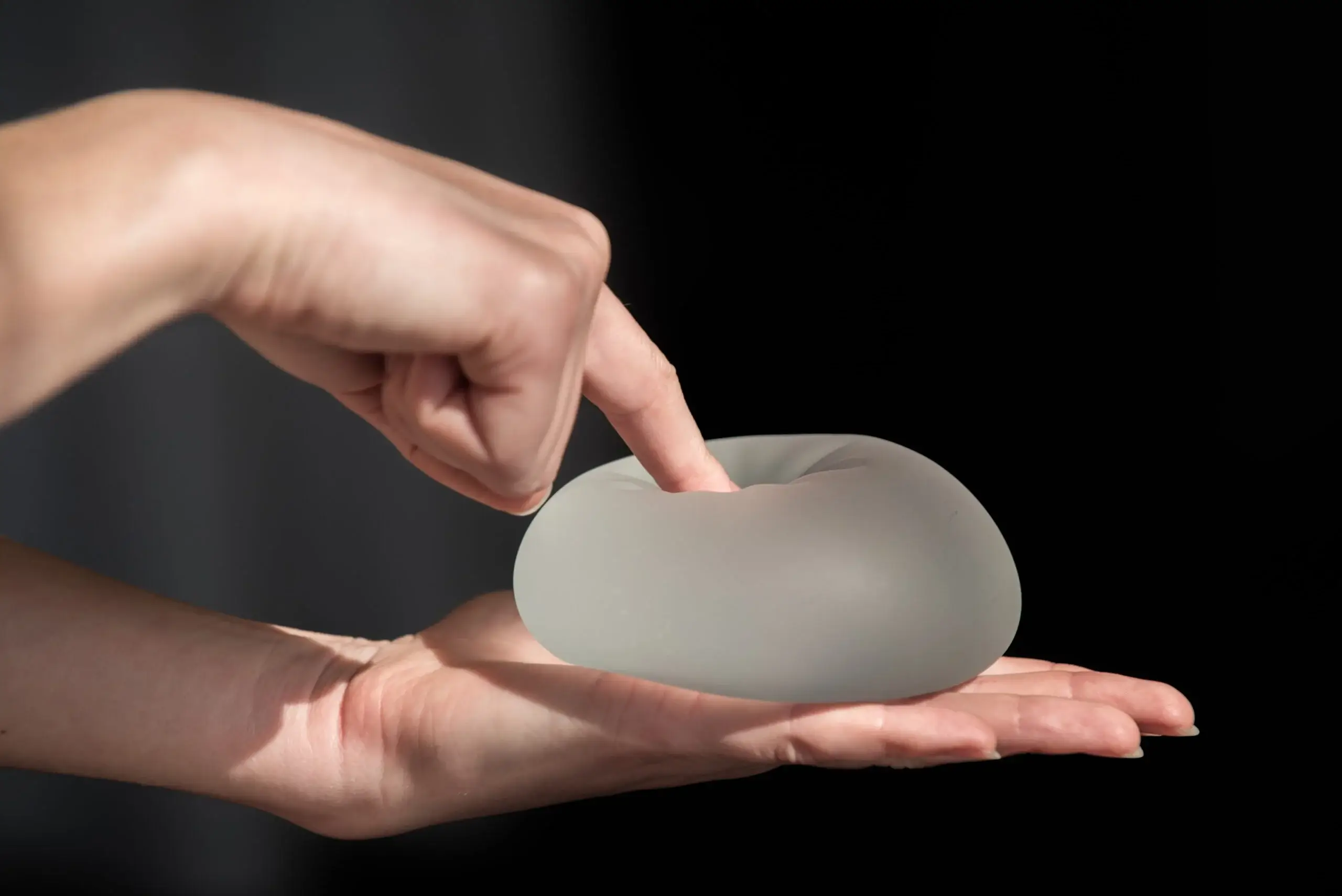
Breast augmentation is one of the most preferred aesthetic operations for women who want to enhance their appearance and self-confidence. The silicone implants used in the surgery help the breasts look fuller and more proportionate. However, one of the most common questions about this process is: “Can silicone implants burst after breast augmentation?” Modern silicone implants used today are highly durable, and the risk of bursting or tearing is extremely low. Still, having accurate information on this topic is very important for both patient safety and quality of life after surgery.
The situation commonly referred to as a “silicone burst” in everyday language is actually a misunderstood concept in medical terms. Silicone implants do not tear or explode suddenly like a balloon. Instead, an implant rupture may occur, meaning a tear or leak in the outer shell of the implant.
The risk of rupture with modern implants is quite low.
The silicones used are medical grade and have FDA and CE approvals.
The silicone gel is a dense “cohesive gel,” which prevents dispersion even in the event of a tear.
So while the term “silicone burst” is used in daily language, medically this is a rare complication.
Breast implants are manufactured for long-term use inside the body. These products undergo durability testing and are highly resistant to various pressures and impacts.
Durability Tests: During production, implants are subjected to pressure, load, and flexibility tests.
Average Lifespan: High-quality silicone implants in use today can be safely used for 10–20 years.
Cohesive Gel Technology: Even if the shell tears, the gel does not disperse and maintains its form.
FDA Approval: Implants approved by the World Health Organization and the FDA have a high level of safety.
Therefore, under normal conditions, it is nearly impossible for an implant to burst or be damaged during daily life.
Although silicone implants are durable, there are some exceptional situations where they may be damaged:
Trauma: Serious car accidents or incidents that apply extreme pressure to the chest can damage implants.
Surgical Procedures: Certain surgeries performed on the breast area may pose a risk of damaging the implant.
Manufacturing Defect: Although very unlikely, a defect during production may lead to rupture over time.
Aging and Time: After prolonged use—around 15–20 years—wear and tear may occur.
However, these situations are unusual. Minor bumps, sports activities, or normal daily conditions do not cause implants to burst.
One of the most common concerns is whether silicone implants can be damaged during everyday activities.
Sports and Exercise: Activities like fitness, running, and swimming do not pose a risk to implants.
Sleeping Position: Sleeping facedown does not damage implants.
Tight Clothing: Wearing bras, sports bras, or shapewear does not cause implants to burst.
Falls or Minor Impacts: Everyday mishaps do not damage implants.
In short, implants can be used safely in normal daily activities and do not impose any restrictions that would reduce quality of life.
A common misconception is that implants might burst during air travel or at high altitudes.
Pressure Resistance: Breast implants are manufactured to withstand pressure changes.
Air Travel: Cabin pressure does not harm implants.
Diving and High-Altitude Sports: Even with activities like professional diving or mountaineering, implants are not expected to be affected.
Scientific studies have shown that air travel has no negative effect on implants. Therefore, individuals who have had breast augmentation can continue traveling without concern.
Many women wonder whether sports and physical activities might damage their implants—especially those who do fitness, running, swimming, Pilates, or heavy lifting.
Durability Testing: Modern implants are designed to withstand significant physical stress, so they are not damaged during exercise.
Weight Training: Movements that intensely engage chest muscles, such as bench press, do not harm implants.
Running and Jumping: Implants do not shake loose or burst while running or jumping. Wearing a proper sports bra increases comfort.
Contact Sports: Even in contact sports like kickboxing, basketball, or volleyball, the risk of damage is very low. Nevertheless, severe impacts are exceptions that warrant caution.
In conclusion, normal sports activities do not pose a risk to implants. Women can exercise confidently after breast augmentation.
An implant rupture—medically termed implant rupture—is very rare with modern implants. But if it occurs, what happens?
Cohesive Gel Structure: The filler in today’s implants is a “cohesive gel.” Even if the shell tears, the gel does not disperse and stays in place.
Health Risk: A rupture does not pose a serious health threat. It does not spread through the body or damage organs.
Change in Shape: Breast volume may decrease or shape irregularities may appear.
May Go Unnoticed: Sometimes a “silent rupture” occurs, meaning there may be a tear without obvious changes.
An implant rupture is not a medical emergency. However, if there is a shape change or any suspicion, a doctor should be consulted.
Not every implant rupture is visible from the outside. Some signs may indicate the condition:
Reduction in breast volume or size,
Breast asymmetry,
Sensation of firmness or tightness,
Swelling or pain,
Changes in breast shape.
Regular check-ups are important to detect silent ruptures. Implants can be monitored with imaging methods such as MRI or ultrasound.
If a tear or rupture of the implant is suspected, the following steps should be taken:
Don’t Panic: An implant rupture does not pose a life-threatening risk.
Consult Your Doctor: A plastic surgeon will evaluate the situation through examination and imaging tests.
Surgical Intervention: The ruptured implant is removed and, if necessary, replaced with a new one.
Combined Procedures: In some cases, implant replacement may be combined with a breast lift (mastopexy).
Thanks to modern surgical techniques, implant replacement can be performed safely and in a relatively short time.
At Esteaura Aesthetic Center, only silicone implants approved to international standards, certified by the FDA and CE are used for breast augmentation.
Cohesive Gel Technology: The implants used contain a special gel that does not disperse even if the shell tears.
Long-Lasting Use: They are of a quality that can be safely used for 15–20 years.
Natural Look and Feel: The implants used at Esteaura provide a form closest to natural breast tissue.
Safety Assurance: The implants are durability-tested and certified products.
In addition, every patient at Esteaura receives a personalized plan, and the most suitable implant type (round or teardrop) is selected to achieve the most aesthetic result.
Thanks to modern implant technology, the likelihood of a silicone implant bursting after breast augmentation is extremely low. Exercising, maintaining daily activities, or flying does not pose a risk to the implant. Even in the rare event of a tear, there is no serious health hazard, and the implant can be replaced with a straightforward surgical procedure.
Esteaura Aesthetic Center offers long-lasting, natural, and aesthetic results with safe and high-quality silicone implants. With regular check-ups, you can confidently continue your life after breast augmentation surgery.