-
info@esteaura.com Terrace Fulya, İstanbul
-
+90 530 442 60 99


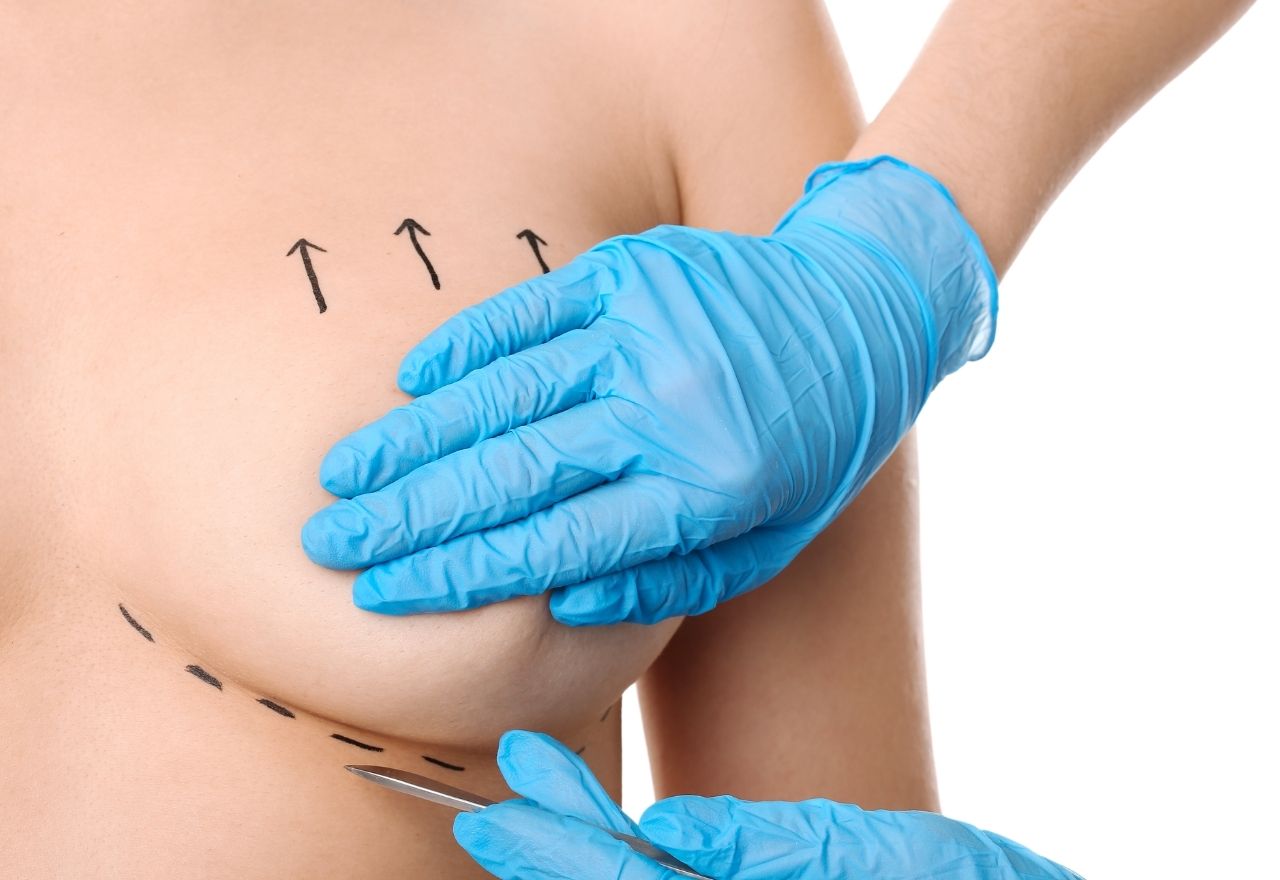
Breast aesthetic surgery is one of the most popular surgical procedures that make women feel both aesthetically and psychologically. However, the success of the operation is not limited to surgical intervention. The rules that need to be considered in the postoperative process play a critical role in both the healthy progress of healing and the permanent and natural appearance of the aesthetic result.
Although the healing process after breast aesthetics varies from person to person, it is usually divided into three main phases: Acute period (first 7 days), recovery period (2–4 weeks) and adaptation period (1–6 months). Factors such as the type of operation, the technique applied, the age of the patient, the general health status and how much after surgery are followed directly affect the healing process.
For the first 7 days, patients should rest as much as possible, restrict arm movements and use the drugs regularly. In this period, edema, bruise and pain are normal. As of the second week, swelling is reduced and the patient may return to mild daily activities. After the 1st month, most patients can return to business and social life. However, the settlement of the prosthesis, the softening of the breast tissue and the aesthetic form can take 6 months.
In some cases, this process may be longer especially in sub -muscle prosthesis placement. In individuals with smoking, diabetes or weak connective tissue, healing may also progress slowly. For this reason, the doctor's checks should be performed regularly, the recommendations given should be strictly followed and patient should be patient.
It should not be forgotten that a successful result is shaped not only at the time of the operation, but also with care. The healing process is not a race, but a planned and careful process.
The first 24 hours is the most critical stage of the healing process after breast aesthetics. During this time, the body tries to remove stress caused by surgery. For this reason, rest restrictions should be firmly followed by resting, fluid balance, drug use and basic movement restrictions.
After the operation, the patient is usually discharged on the same day. However, it should not be left alone after moving home, and if possible, the first day should be passed with a companion. Effects such as dizziness, nausea, low blood pressure are normal. The head should be laid in a semi -seated position, avoid sudden movements and arm movements should be limited.
Drugs given by the doctor should be used especially during and regularly during antibiotic and painkillers. Drink plenty of water to avoid fluid loss; However, foods should be kept slightly due to stomach sensitivity.
If one of the following cases is observed in the first 24 hours, the health institution should be consulted immediately:
Spending this process attentive and calm allows the next days to be more comfortable. Giving the body the chance to rest on the first day is the cornerstone of the healing process.
Dressing and sewing care is of great importance in terms of minimizing the risk of postoperative infection and minimizing scars. After breast aesthetics, the first dressing is usually made in the clinic and the sewing area is covered with sterile gauze. The home care process should be applied carefully in accordance with the instructions given by the doctor.
In self -melting stitches, usually there is no need for external dressings; However, the region should be checked regularly in the seams to be taken. Usually seams are taken within 7-10 days. When dressing, hands should be washed, sterile material should be used and the area should be kept dry. The dressings that remain humid or wet prepare the ground for bacteria formation.
It is absolutely inconvenient to suppress, scratch or rub it on the wound area. If the dressing opens automatically, sterile closure should be done. Although itching is considered normal to have itching in the area where the seams, excessive redness, pus discharge or bad odor are noticed immediately.
Silicone -based scar creams, trace wiping bands or vitamin E content can be used to avoid any traces after the seams are removed. In some cases, operations such as laser trace treatment may be recommended. However, each care method should be applied with a doctor's approval.
Postoperative bras use is a factor that directly affects aesthetics. The right bra fixes the breasts, prevents the prosthesis from moving and controls the swelling. The use of false bra can cause asymmetry, shape deterioration or pain.
During the first 4-6 weeks, the medical bra recommended by the doctor should be installed day and night. These bras are usually a radio, seamless and securing the chest. Models with zipper or snaps should be preferred, so that the patient can wear and remove without difficulty.
It should also be careful when choosing clothes. Especially for the first 2 weeks, shirts with button or zipper should be preferred instead of T -shirts worn over the head. The fabrics should be cotton and breathable; Synthetic and narrow clothes should be avoided.
After the 6th week, a doctor's approval can be switched to normal bra. However, Push-up is generally recommended for up to 3 months for balen or tight models. The use of bras can be continued for the first 2 months.
Choosing the right bra and clothes is critical not only for physical comfort but also for the protection of the surgical outcome.
Pain and swelling after breast aesthetics are among the most common complaints. This is part of the body's natural reaction to surgery. In particular, pain may be more pronounced in the first 3-5 days of the operation. In prostheses placed under the muscle, pain can be felt more severe because the chest muscle is stretched.
The swelling (edema) usually reaches the highest level in the first week and decreases in the following weeks. However, it may be necessary for a few months to pass the edema completely and take the natural appearance of the breast form. In this process, the following suggestions help reduce pain and swelling:
If the symptoms such as unilateral margin of pain and swelling, abnormal temperature increase, jicker pain or bruising are noticed, a doctor should be consulted. These may be a harbinger of complications such as infection or hematoma (blood accumulation).
Under normal circumstances, pain and swelling decreases to a great extent within 2-3 weeks. However, the final appearance may take 3-6 months for the tissues to completely soften and the form to fit. Therefore, it is important to be patient and follow the process closely.
The process of return to physical activities after breast aesthetics varies according to the type of operation and the rate of healing of the person. Usually for the first 2 weeks, it is recommended that patients move only to meet their basic daily needs. During this time, it is very important to relax, limit arm movements and avoid pushing the chest muscles.
Light walks can be performed from the third week. However, gym activities should be expected to start at least 6 weeks to start yoga, pilates and similar exercises. For exercises that exercise the chest muscles extensively (such as weight lifting, push-up), this period may be up to 2-3 months. These recommendations are for the fact that the prosthesis is not displaced and the improvement of the healing.
Sports, such as swimming, bicycles, or sports that require full body coordination, the breast form should not be implemented without sitting completely. It should be remembered that healing will last differently in each individual and a doctor should be consulted before returning to physical activities.
The correct provision of personal hygiene after surgery is very important in terms of minimizing the risk of infection as well as accelerating wound healing. After breast aesthetics, it is not recommended to take a shower for the first 48 hours. Taking a shower before the date of the doctor may lead to moisture in the wound area and an increase in the risk of infection.
The first shower is usually taken 2-3 days after surgery and limitedly. Shower should be taken in a short time with warm water and water contact should be prevented directly to the nipple. The stitched area can be protected with waterproof cover or bands. Products such as soap or shampoo should not contact instead of wound.
For the first 2 weeks, a damp and warm environments such as bathtubs, sauna, baths should be avoided. After the shower, the breast area should be gently and completely dried, preferably disposable paper towels should be preferred. After the healing of stitches, normal shower habits can be returned.
The correct hospitalization position is of great importance for healthy and trouble -free progress of postoperative recovery. It is recommended to lay on the back, head and back slightly for the first 2-3 weeks after breast aesthetics. This position both reduces swelling and prevents the prosthesis from slipping unwanted.
The side hospitalization position is usually not recommended for the first 4 weeks, as it may disrupt the balance of the prosthesis, especially in sub -muscle prosthesis applications. Putting pillows on the side of sleep is an effective method in preventing involuntary position changes. Sleeping on the face is definitely a position to be avoided and should not be applied until the recovery is completed.
The sleep pattern also directly affects the healing process. It should not be forgotten that the body repaired itself during the night and quality sleep should be taken every night. Stay away from devices such as telephone and television before sleeping, provides deeper and relaxing sleep.
Nutrition is one of the main factors that accelerate the recovery of the body after surgery. Adequate protein intake supports wound healing; A diet rich in vitamins and minerals strengthens the immune system. Especially in the first weeks, a balanced diet plan directly affects the quality of healing.
The main foods recommended after surgery are as follows:
At least 2-2.5 liters of water should be consumed daily. This both helps toxins to be removed and reduces edema. Staying away from salty foods is effective in edema control. Habits such as alcohol and cigarettes should be completely released for at least 1 month because these substances both prolong the recovery time and increase the risk of complications.
As in every surgical operation, some complications may occur after breast aesthetics. Most of them can be easily treated when they are noticed early. Therefore, patients should carefully follow the changes in their bodies.
The most common symptoms of complications are as follows:
If one of these symptoms is seen, a doctor should be consulted immediately. Symptoms such as mild itching, temporary numbness or minimal redness may be considered normal, but if their severity increases, it should be taken seriously. Complications usually occur within the first 2 weeks, so regular controls should not be interrupted in this process.
The controls performed at regular intervals during the first year after the operation are important in terms of evaluating both the placement of the prosthesis and the permanence of the breast form. These controls are usually planned on week 1, 1st month, 3rd month, 6 months and 12th month. In each control, breast tissue, sewing marks and symmetry status are evaluated.
The clues to be considered in order to protect the results of breast aesthetics in the long run are as follows:
In cases where prosthesis are used, an average of 10-15 years is recommended for change or control purposes. In addition, the habit of personal breast examination should be continued. Permanent results are possible not only by aesthetic operation, but also with regular care and healthy living habits.